Over the next two weeks, we will be enthralled and entertained watching the world’s greatest athletes perform as they compete to run faster, jump higher, lift stronger, and more. World and Olympic records will be broken, but the laurels and the medals will be awarded to only a minority of the thousands of athletes competing in Paris. As the founder of the Olympics, Frenchman Pierre de Coubertin said, “The important thing in the Olympic Games is not to win but to take part; the important thing in life is not triumph but the struggle.”
For the vast majority of Olympic athletes, the most they will hope for at the Games is to achieve a personal best. The medal winners and the “also-rans” are often separated by mere tenths or hundredths of a second, and to achieve a PB in your event can be the culmination of years of training. All forms of physical improvement require struggle. What motivates you to keep exercising and how do you measure improvements in your fitness?
Whatever your preferred exercise or sport, if you want to improve your fitness and performance you need to 1) train in a consistent and progressive manner, and 2) keep track of your progress. For the runner or rower, this could be tracking your splits (time checks) over a given distance; for the cyclist, a time trial. A weightlifter will keep a workout log to monitor her 1RM and 3RM personal bests. You can only improve what you measure. Ultimately, your fitness and your performance are measured by what you can do. When you can go faster or lift more weight, that is a measurable improvement in your performance and your fitness.
Whether you’re new to training or chasing your own personal best, there are a wide range of fitness classes Greystones has to offer, suitable for all levels. Many Greystones gyms provide excellent facilities and programs to help you stay committed to your goals. And if you need expert guidance, personal trainers Greystones are available to create customized fitness plans and keep you motivated every step of the way.
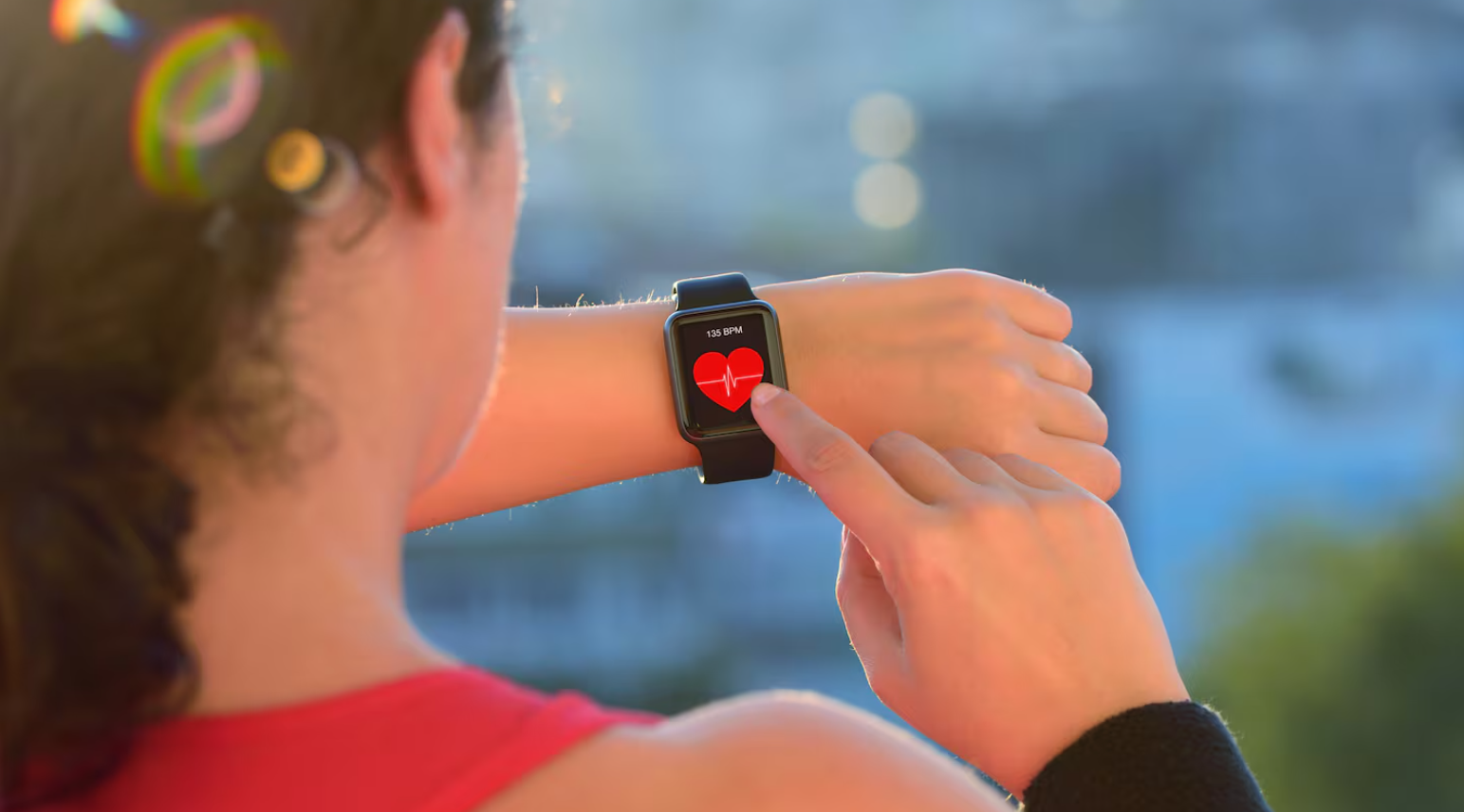
One thing you won’t see at the Olympics are athletes checking heart rate monitors to see if they are in the “right zone”. When attempting a personal best the only zone that matters is that you are in the right mental zone. It isn’t the athlete with the highest or lowest heart rate who wins the medal, it’s the one who reaches the finish line first. However, a recent article in the Fitness section of the Irish Times says that monitoring your heart rate can be helpful for your fitness if you are experimenting with different intensity levels and if you understand the limits of the data. And there are many!
The theory behind heart rate based training is to structure your workouts around five intensity zones based on a percentage of your maximum heart rate. But what if you don’t know what your maxHR is? Many heart-rate based training programmes estimate it for you using the outdated 220-your age formula which has proven to be unreliable. Without knowledge of a person’s true maxHR, training zones that are based on an estimation are at best misleading and worse meaningless. Renowned US exercise physiologist Dr. Fritz Hagerman says the common notion that heart rate is an indication of fitness is “silly” and the whole idea of a formula to estimate a person’s maximum heart rate is “ludicrous”.
Besides many factors such as stress, heat, sleep and caffeine can affect your heart rate, which is why your own sense of effort is usually a more reliable way to gauge your level of exertion. You can replicate heart rate zone training based on your perceived exertion (RPE). Dr. Kathryn Larson, a cardiologist at the Mayo Sports Clinic in the US says that using a talk test like trying to have a conversation during a workout can be as useful as checking your heart rate. Some people can become consumed by the data. In those cases, she urges them to look at the big picture:
“How much is the data actually helping you or how much is it distracting you from the more important issues at hand”? Such as your technique and your cadence, your perceived effort and your speed or power output, all of which are more relevant to your performance than your heart rate.
Take the Rowlympic Challenge
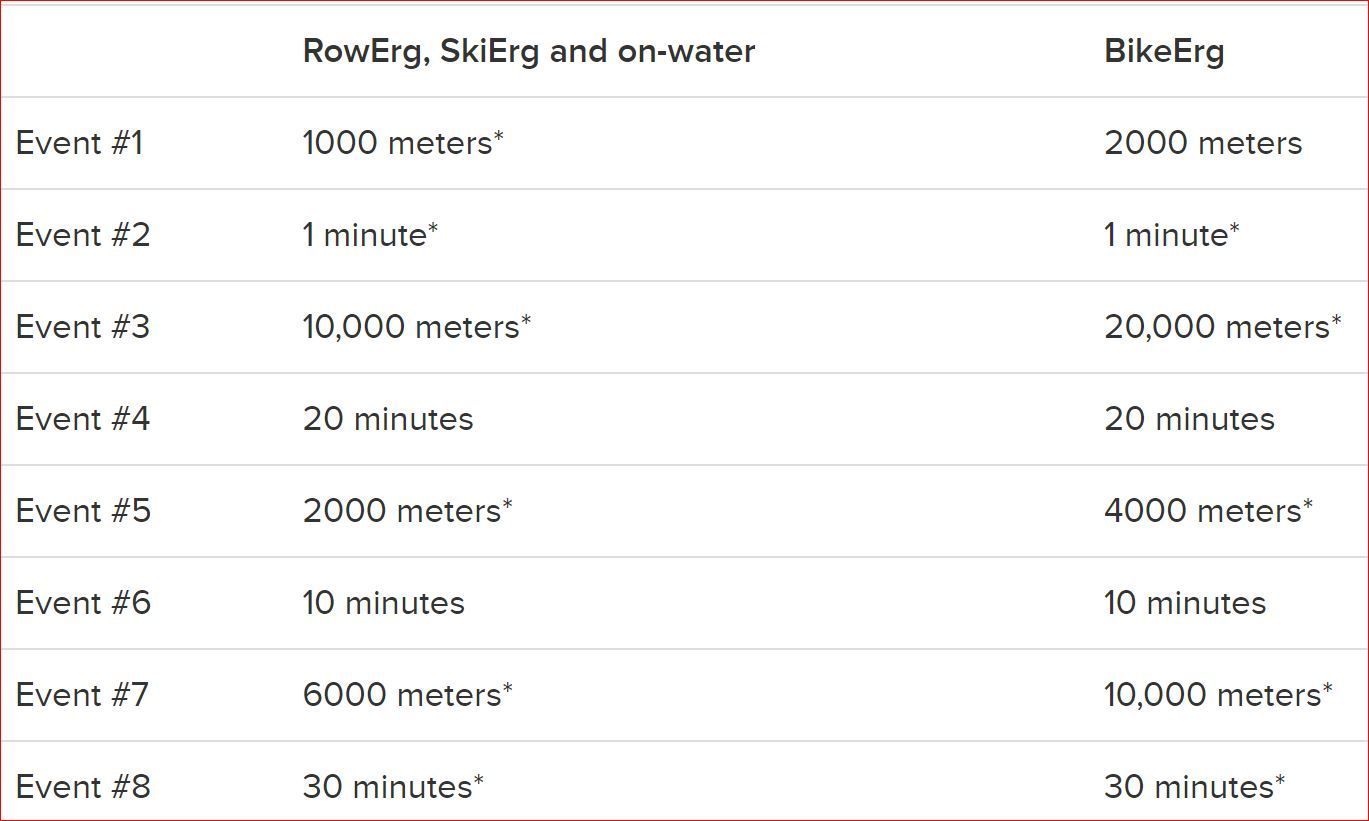
Maybe the Olympics will inspire you to attempt a PB. Before you go out and try to run 100 meters as fast as you can or see how much weight you can put overhead it’s not advisable to attempt any Olympic feats without the proper technique and training! For regular gymgoers and “erging” enthusiasts now is a timely opportunity to put your fitness to the test with the Concept2 Rowlympic Challenge. The C2 RowErg, SkiErg and BikeErg, found in most gyms today, closely replicate the Olympic endurance sports of rowing, Nordic skiing and cycling, with precision timing and speed and power metrics. Every rower competing at the Olympics will have done a significant amount of their training on the RowErg.
The eight events of the Challenge test a range of fitness capacities, from max power (1 minute) to a 10k endurance row, ski, or cycle. If you’re aiming to measure aerobic fitness (VO2 max), try a 1K or 2K row or ski, or a 10–20 min time trial on your erg of choice. These are great benchmarks, whether you’re training solo or taking part in fitness classes Greystones offers. Events marked with an asterisk* are part of the Concept2 online ranking system, letting you compare your times globally. Heart rate monitors help, but the stopwatch and the Erg don’t lie. Whether you’re training in Greystones gyms or working with personal trainers Greystones, these tests can help track real progress.